
Damp & Moisture Solutions
Most decay in older masonry traces back to moisture and the salts it carries. These articles explain how to separate rising damp from condensation and other moisture sources, why efflorescence and salt attack keep returning after cleaning, and what a diagnosis-led response looks like: moisture mapping, poultice desalination, breathability in renders and paints, and repairs to the actual source of water rather than the symptom. Quick chemical fixes come up too — mainly to explain why they so rarely last on heritage buildings in Sydney and NSW.
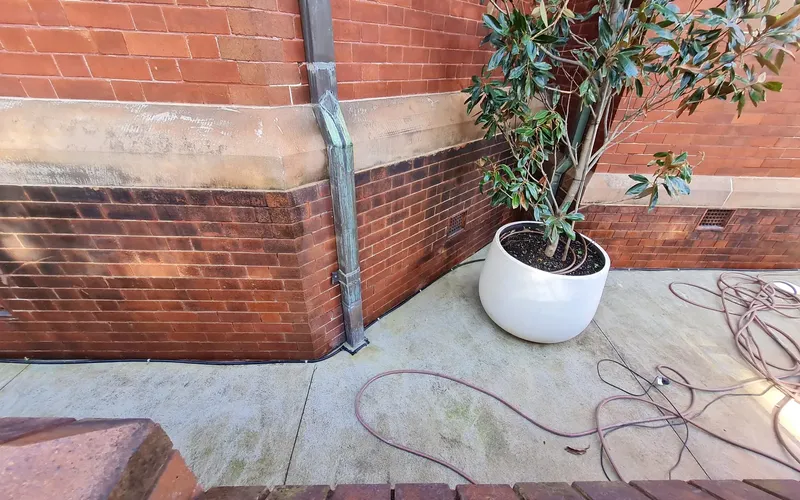
White Powder on Bricks or Sandstone: What to Check First
Learn what white powder on bricks or sandstone can mean, how to check moisture sources, and when salt damage needs specialist assessment in NSW.
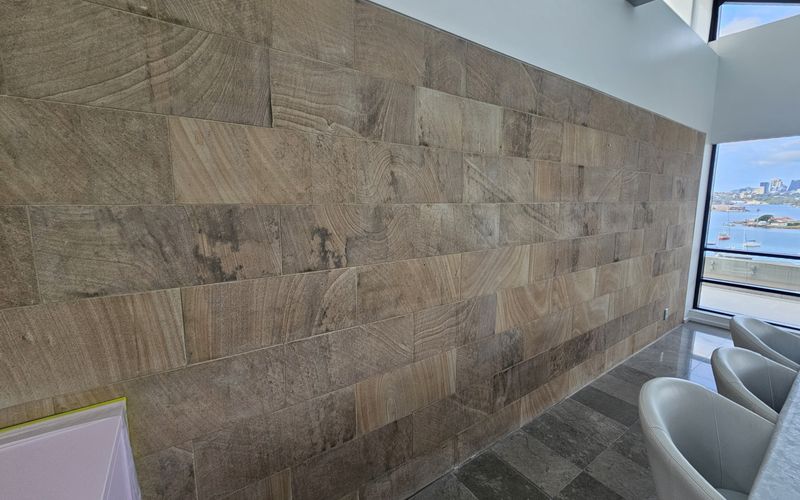
Condensation or Rising Damp? How to Tell Them Apart in an Older Home
Black mould and damp patches in winter are often blamed on rising damp — but condensation is usually the real cause. Here's how to tell them apart.
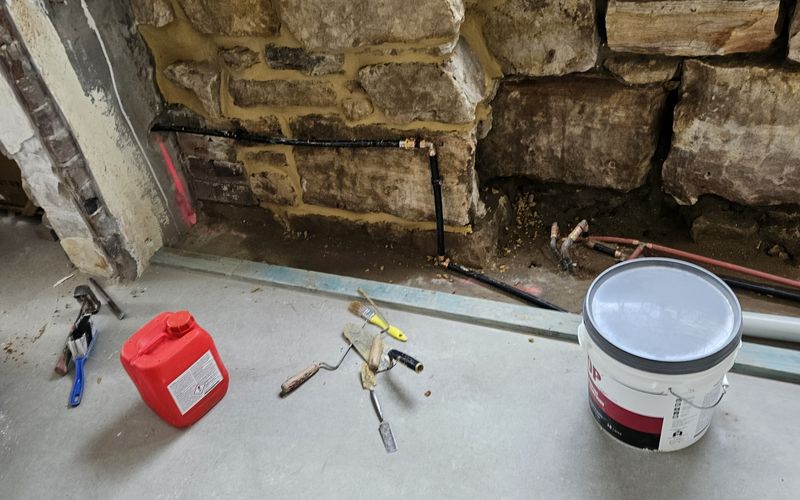
Understanding Salt Damage and Rising Damp in Older Masonry
Efflorescence, salt attack and rising damp are often confused. What causes each, how they differ, and how they're properly diagnosed and treated.