Brick repointing is the repair of the exposed mortar joints between bricks. Deteriorated mortar is carefully removed and replaced with a compatible mix, helping the wall resist weather while retaining its original brickwork. For an older Sydney home, the value of professional repointing lies in getting the diagnosis, materials and workmanship right.
A neat finish matters, but it is only part of the job. Repointing should address joints that have failed, preserve those that remain sound and sit within a plan for any moisture or movement affecting the wall. This guide explains when the work is worthwhile, what influences cost and what to ask before accepting a quote.
Does your brickwork need repointing?
Look for open joints, mortar that has fallen away, gaps around bricks or sections that are noticeably deteriorating. Compare exposed areas with sheltered sections of the same wall. A photograph taken after rain, alongside one taken when the wall is dry, can help explain what you have noticed during an assessment.
Softness alone is not a reliable test. Traditional lime mortar is intentionally softer than many modern mixes, and weathering does not automatically justify replacing every joint. The Society for the Protection of Ancient Buildings’ repointing guidance recommends retaining sound pointing and cautions against unnecessary work.
Cracking, bulging brickwork or loose masonry needs a broader assessment. Repointing the visible gaps cannot, by itself, correct foundation movement, a failed lintel or an unstable wall. Keep clear of loose overhead masonry and arrange prompt professional advice.
Damp also needs investigation before repair. A leaking gutter can repeatedly saturate an otherwise repairable wall. The SPAB guide to repairing old brick walls explains why finding the cause of deterioration comes before choosing the treatment. For surface deposits, start with our guide to white powder on brick and sandstone.
Why professional brick repointing can be worth the investment
Protecting the masonry you already have
A competent assessment distinguishes a mortar repair from work that needs brick replacement, structural advice or moisture treatment. That distinction gives you a useful scope: what should be repaired now, what can remain and what needs monitoring.
The benefit is not a promise that repointing will strengthen every damaged wall. It is a repair directed at the actual defect, with other problems identified before they are covered over. Ask the contractor to show you the affected areas and explain the proposed treatment in plain language.
Keeping the appearance of an older building
The colour, texture and profile of mortar joints influence how a façade reads from the street. A bright, wide joint can dominate brickwork that previously looked restrained. Conversely, copying an unsuitable earlier repair can perpetuate the wrong appearance.
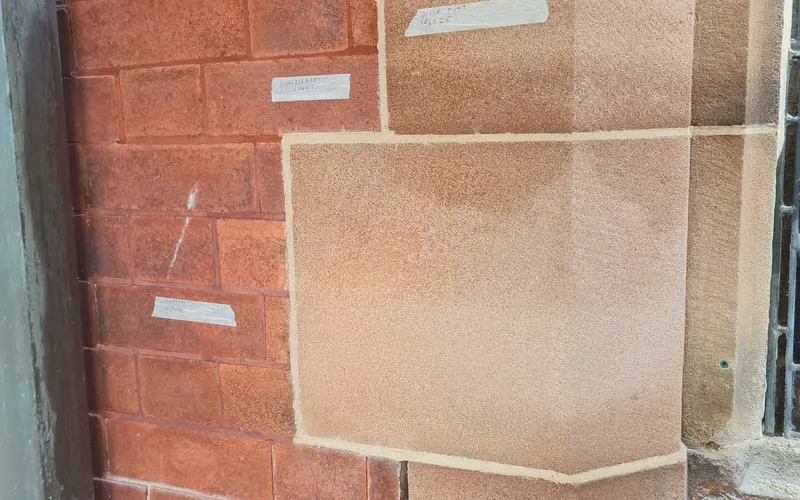
Agree a sample area before the main work proceeds. Look at it in context, alongside the original masonry, and ask when it will be dry enough to judge. Record the accepted finish so there is a shared reference throughout the job.
Making maintenance spending more useful
Paying for unnecessary work is poor value, even when the price per square metre looks attractive. So is paying twice because the original cause of failure was missed.
Ask for priorities if the whole programme cannot proceed at once. Which repairs are urgent? Can access be shared with other necessary façade work? What should be checked after handover? SPAB’s preventative maintenance guidance supports regular inspections and timely minor repairs as a cost-effective way to limit deterioration. A specific saving or increase in property value cannot be promised from repointing alone.
Why mortar choice matters in heritage brickwork
Repointing brickwork requires more than choosing a mortar colour. The repair must suit the brick, surviving mortar and exposure of the wall. A hard, dense repair can behave very differently from the material around it.
Lime-based mortars are often appropriate for older masonry because their permeability and ability to accommodate small movements suit traditional construction. However, “lime mortar” describes a family of materials, not one universal recipe. Non-hydraulic lime hardens by carbonation; hydraulic lime also sets through reactions with water. Their strength, early performance and curing needs differ. The SPAB explanation of lime sets out these distinctions.
Ask what evidence supports the proposed mix. The specification should address the binder, sand, strength, texture and intended finish. A bag labelled “heritage” does not establish suitability for your wall, and the strongest available mix is not automatically the best one.
Existing hard pointing requires care too. Its removal should be trialled: forcing out firmly bonded mortar can damage the brick edges. A specialist should explain the balance between removing an incompatible repair and retaining material where removal would cause greater harm.
What a professional repointing job should include
The scope should make the following stages clear:
Assessment and recording. Identify the affected areas, surviving details, previous repairs and relevant moisture or movement concerns. Photograph the starting condition.
A proposed specification and sample. Agree the repair material and appearance before repeating the treatment across a visible elevation.
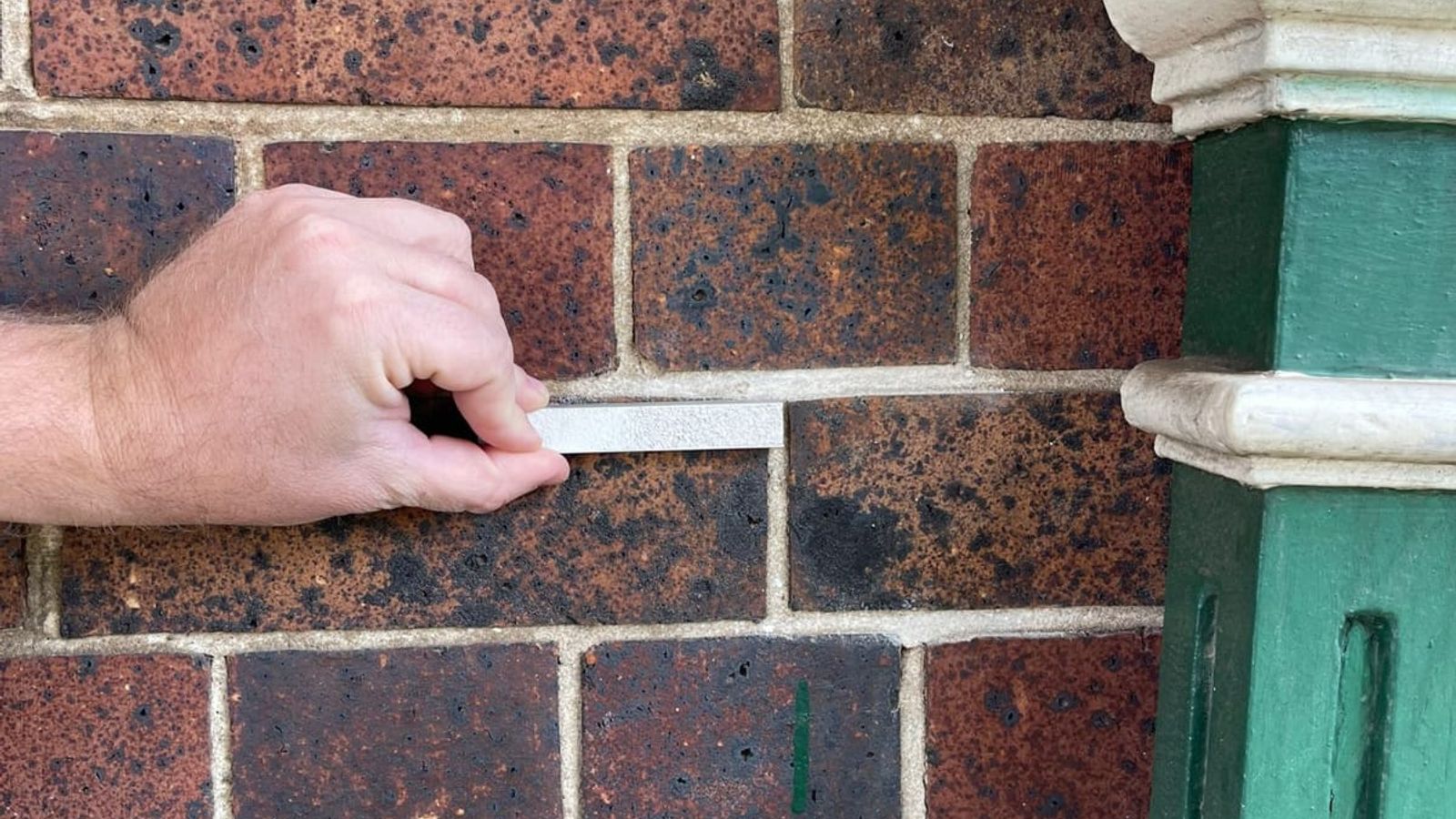
Careful preparation. Remove failed pointing to a suitable depth, protect brick edges and prepare the joints for the selected mortar. A thin surface smear is not an adequate substitute for a properly prepared joint.
Placing and finishing. Fill and compact the repair appropriately, then finish the joints to the agreed profile without leaving mortar spread across the brick faces.
Protection and handover. Allow for weather protection and curing, followed by an inspection and written maintenance advice.
Ask how the contractor will manage exposed work during rain, drying winds or hot weather. The programme needs to allow for the material and conditions, rather than treating application as the end of the job.
Repointing and tuckpointing should also be distinguished in the scope. Repointing repairs joints; traditional tuckpointing adds a fine decorative line. They may form part of the same project, but they are not interchangeable prices or treatments. Our repointing versus tuckpointing guide explains the difference in more detail.
What affects brick repointing cost in Sydney?
There is no useful single price for every wall. A small, accessible repair and an upper-storey façade with difficult access can involve very different work. The following are questions to resolve in a quotation, rather than a published rate card:
Extent of repair: Is the price for selected joints, one elevation or the whole building? How has the area been measured?
Existing condition: Does it include removing earlier hard pointing, replacing damaged bricks or dealing with concealed defects?
Mortar and finish: Are samples, specialist materials, matching and decorative tuckpointing included?
Labour: What preparation and finishing are allowed for? Who will carry out the work and supervise the agreed method?
Access: Is scaffolding or other access equipment included, and for how long? What restrictions affect a narrow side passage, occupied property or street frontage?
Protection and completion: Does the total include protection of adjoining surfaces, waste removal, curing visits and final cleaning?
A square-metre rate is only comparable when the included work is comparable. Ask whether the quantity refers to the gross wall area or a measured repair area, and whether openings are deducted. If the contractor prices by another measure, ask them to explain it.
For budgeting, request a written estimate based on the inspected condition, with exclusions and provisional items clearly identified. We have not supplied generic dollar ranges here because they would not establish what your property actually needs.
How to compare repointing quotes
Put the proposals side by side and check that each answers the same questions. One contractor may have allowed for access, testing and protection while another has priced only the visible mortar work.
Before agreeing to proceed, ask for:
A description or marked-up photograph of the areas included.
The proposed mortar, joint finish and sample-approval process.
Responsibility for related moisture repairs and any specialist assessment.
Access arrangements, protection, programme and handover requirements.
A clear total, including the treatment of GST, exclusions and how variations will be agreed.
Check the contractor’s relevant licence details through the Service NSW licence check, and ask for examples of comparable work. Licence status and experience with delicate historic brickwork answer different questions; both deserve attention. NSW Government also provides guidance on checking that a contractor is qualified for the work.
Do heritage repairs need approval in NSW?
Confirm the property’s listing and applicable controls before work starts. A local heritage item, a building in a heritage conservation area and an item on the State Heritage Register may involve different approval pathways.
For example, the City of Sydney’s heritage exemption process explains when written confirmation is needed for minor or maintenance work. A matching repair should not simply be assumed exempt. Other councils have their own processes.
For State Heritage Register items, check Heritage NSW’s works approval and exemption guidance. An exemption has conditions; it is not permission for any work described as maintenance. Confirm which requirements apply to the actual scope, including changes to joint appearance or repair materials.
Planning the next step
If repointing forms part of a larger programme, our heritage building restoration guide explains how assessment, sequencing and related repairs fit together. The repointing and moisture guides linked above provide more detail on individual decisions.
Stoneline Heritage provides brick repair and repointing services across Sydney and NSW. Send photographs showing both the wall as a whole and the affected joints, together with the address and what you have noticed. We can discuss what needs to be checked on site before recommending a repair scope. Request a site assessment.
Questions and answers
Is brick repointing worth it?
Brick repointing is worthwhile when mortar joints have deteriorated and the proposed repair addresses their condition and cause of failure. Sound joints may need no work. Its value depends on a suitable scope and compatible materials, rather than a guaranteed increase in property value.
How do I know whether old lime mortar needs replacing?
Open joints, missing mortar and ongoing deterioration justify an assessment, but soft lime mortar alone does not prove failure. Its condition should be judged alongside the brickwork, exposure and depth of weathering. Avoid damaging sound joints simply to test them.
How much does brick repointing cost in Sydney?
A reliable cost depends on the repair area, existing mortar, brick condition, access and required finish. Ask for an inspected, written scope that identifies scaffolding, samples, protection and exclusions. Compare quotations on the same basis rather than relying on a generic square-metre rate.
Is lime mortar always better than cement mortar?
The appropriate mortar is the one compatible with the masonry and its exposure. Lime-based repairs often suit older brickwork, but different lime mixes have different properties. A specialist should specify the mix from the building’s condition and surviving materials, rather than select it by label alone.
Will repointing fix damp or structural cracks?
Repointing can repair defective joints, but it does not automatically resolve damp or structural movement. Water sources and the cause of cracking need investigation. A leaking gutter, unstable wall or failed lintel requires its own response, which may need to happen before repointing.
Can I repoint heritage brickwork myself?
Heritage brickwork is easy to damage during mortar removal or through an unsuitable repair mix. Professional assessment is sensible before attempting the work. High-level masonry, loose bricks and suspected structural defects need appropriate specialist attention and safe access.
How long does repointing take to cure?
Curing depends on the mortar type, joint conditions and weather. Non-hydraulic and hydraulic lime mortars do not set identically, and a surface that appears dry may still need protection. Ask the contractor for the specified curing and protection plan rather than assuming one fixed period.
Do I need council approval for repointing in NSW?
Check the property’s heritage status and the proposed work with the relevant council before starting. Minor matching repairs may have an exemption pathway, but conditions or written confirmation can apply. State Heritage Register items also require consideration of Heritage NSW approvals and exemptions.