Choosing a specialist for heritage renovations in Sydney starts with three checks: experience with buildings like yours, the right NSW licence for the proposed work, and a clear explanation of how original materials will be protected. A good proposal should make the decisions easier to understand, from the first inspection through to repairs and handover.
Perhaps you have a worn terrace façade, a leaking window or a renovation planned around an older part of the house. Before comparing prices, find out what needs repair, what you want to change and who should be involved. Those answers shape the team you need.
What makes a heritage renovation different?
A heritage renovation adapts an older property while respecting the features that give it significance. It can include conservation repairs alongside changes that make the building more practical to use. Original brickwork, stone, windows, plaster and the arrangement of rooms may all influence the design.
The Australia ICOMOS Burra Charter, 2013 provides a useful starting point: understand the place before deciding how to change it, and retain its cultural significance. In practice, ask a prospective contractor what they would keep and why. Their answer should relate to your building, not just its age.
For the wider process, our heritage building restoration guide explains assessment, repair priorities and ongoing care. This article focuses on selecting the people to carry that work out.
Find the right specialist for the scope
A whole-home renovation and a targeted masonry repair call for different arrangements. A project involving structural changes, new rooms and several trades may need a head builder working with a designer, engineer and heritage consultant. A defined stone or brick repair may need a specialist contractor within that team.
Start your shortlist through relevant completed projects, recommendations from your architect or heritage adviser, and conversations with owners who have had comparable work done. Ask who will actually supervise and perform the work. The person presenting the proposal may not be on site each day.
When comparing heritage builders in Sydney, look beyond a broad claim of experience. A contractor who understands your materials, access restrictions and approval conditions is more useful than a portfolio full of unrelated renovations. Clarify who is responsible for design, applications, specialist advice and construction before requesting a detailed price.
Check the address and heritage controls early
Greater Sydney contains many council areas. A suburb name alone is not enough to identify the controls on a particular property.
For example, Inner West Council's heritage conservation area information includes Annandale, Balmain and Rozelle. Its map lets you search an address and read the relevant heritage information. For a property in Glebe or Forest Lodge, begin with the City of Sydney's local area information and confirm the property details. These are starting points for checking an address, not a claim that every building in those suburbs is individually listed.
Ask your prospective team to distinguish between:
Local heritage controls: Check individual listings, conservation areas and proposed works with the relevant council. Heritage NSW directs enquiries about locally listed items to the local council for heritage approvals.
State heritage controls: Work affecting a State Heritage Register item needs the appropriate Heritage Act approval unless an exemption applies. NSW standard exemptions have conditions; they do not remove other approval requirements.
A useful response identifies what must be checked and who will check it. Treat an assurance that permission is unnecessary cautiously if nobody has reviewed the listing, significance or proposed scope.
Verify licences and insurance
Use the NSW contractor licence checking guidance to check the licence holder, current status, permitted categories and conditions. Make sure the licence covers the work being offered. A heritage portfolio does not replace this check.
Confirm the legal entity named on the proposal and contract. Under the NSW residential building contract guidance, a company entering the contract needs the appropriate licence in its own name; a director's individual licence is not a substitute.
Ask for current insurance documentation appropriate to the work. Check whether Home Building Compensation cover is required for your project and verify the certificate before paying where it applies. Also notify your own insurer about the renovation. The NSW insurance guidance for homeowners explains the different types of cover and why your existing policy needs checking.
Look closely at workmanship and past projects
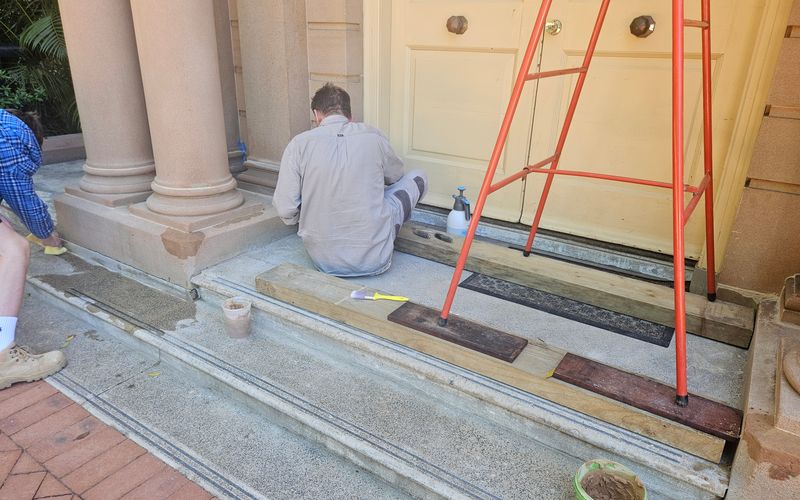
Ask to see two or three projects involving similar materials and defects. Before-and-after photographs help, but pictures taken during the work often reveal more. They can show how the original surface was protected, which sections were repaired and how replacement materials were selected.
Establish the contractor's actual role. On a large heritage project, a company may have completed a specialist repair package rather than managed the whole renovation. That contribution can be highly relevant; it simply needs to be described accurately.
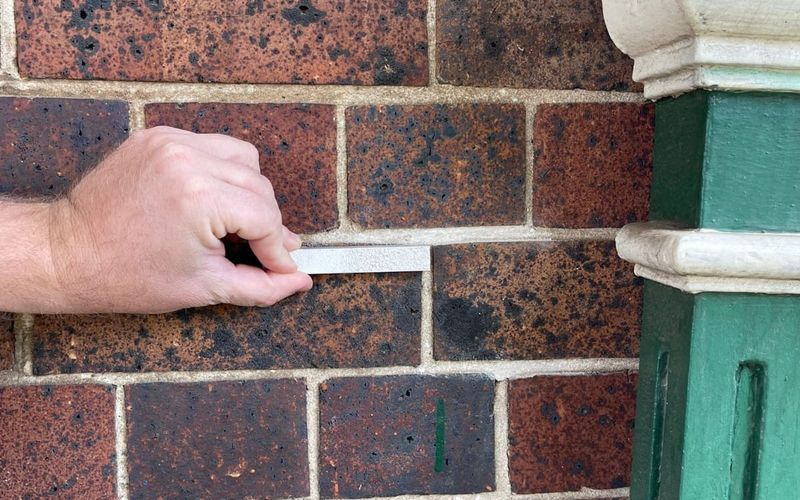
For masonry work, ask about mortar selection, joint profiles and trial panels. Our brick repair and repointing service explains why appearance and material compatibility need to be considered together. A neat finish is only one part of a suitable repair.
Consider a hypothetical terrace with cracked render and staining below a window. A useful assessment would investigate how water is entering and what lies beneath the render before specifying a finish. Ask the contractor what they can establish during inspection and what may require further investigation. Being clear about an unknown is more helpful than guessing.
Use references to understand how the job was managed
Reviews can help build a shortlist. Direct references let you ask about the parts of the project that photographs cannot show.
With the previous client's permission, ask whether the agreed supervisor remained involved, how unexpected conditions were explained and whether variations were priced before additional work proceeded. Find out how the contractor protected occupied rooms and neighbouring property. Ask what records and maintenance information were provided at completion.
The most useful reference describes a comparable job in some detail. A rating alone cannot tell you whether the team can handle the decisions your building requires.
Ask practical questions during the site meeting
Bring photographs, earlier reports, any approval correspondence and a short description of what you want to achieve. Walk through the proposed work together.
Questions worth asking include:
Which original elements can be retained, and what needs closer inspection?
What method or material trials would you recommend before the main work?
Who will coordinate heritage advice, engineering and any applications?
How will access, deliveries, dust and protection of adjoining areas be managed?
What happens if concealed damage changes the agreed scope?
What photographs, material details and care instructions will we receive?
For heritage home renovations in Sydney, discuss everyday arrangements too: access to the house, temporary weather protection and whether particular rooms must be vacated. These details belong in the planning conversation, before a start date is promised.
Compare quotes against the same written scope
Give each shortlisted contractor the same documents. Then compare what is included, what is excluded and what still depends on investigation.
A proposal should identify the repair areas, preparation, materials, access equipment, protection measures and cleanup. Ask which allowances are provisional and how additional work will be assessed and authorised. Check whether consultant input and approval-related tasks are included or arranged separately.
Imagine one quote covers repointing alone while another includes scaffolding, trial panels and careful removal of failed repairs. The difference needs explaining before either price is useful. Ask for an itemised clarification rather than assuming the higher or lower total represents better value.
Before signing, use the NSW contract guidance linked above to review the written scope, payment arrangements and variation process. Choose the proposal you can understand, supported by relevant experience and clear responsibilities.
Start with an assessment of the building
At Stoneline Heritage, we assess the existing fabric and likely causes of deterioration before recommending repairs. Our façade restoration work can involve masonry, decorative elements and staged repairs, with engineer or consultant input where the scope requires it.
If you are planning heritage restoration in Sydney, send us photographs, the property address and a description of the work. Include any heritage reports or approvals you already have. That gives us a useful starting point for discussing the work and what needs to be assessed on site.
Questions and answers
How do I choose a specialist for heritage renovations in Sydney?
Choose a specialist with relevant completed projects, an appropriate current NSW licence and a clear written scope. Ask how original materials will be protected, who will supervise the work and how unexpected conditions will be handled. Check references from comparable projects before making your decision.
Do I need council approval to renovate a heritage property?
The approval requirements depend on the property's listing, applicable controls and proposed work. Check local listings and conservation areas with the council; State Heritage Register items also have Heritage Act requirements. An exemption may apply to some work, but its conditions must be met. Consult the NSW heritage exemption guidance and confirm other necessary approvals before starting.
Can heritage controls apply if my house is not individually listed?
Yes. A property may sit within a heritage conservation area even when it is not individually listed. Check the address, mapped controls and the area's statement of significance before planning changes. Inner West Council's heritage map and guidance provide an address-based starting point for properties in its area.
How can I check a Sydney builder's licence?
Follow the NSW contractor licence check and review the holder's name, status, work categories and conditions. Match those details to the contractor and proposed work. Check relevant heritage experience separately through previous projects and references.
Do I need a heritage consultant as well as a builder?
You may need both, depending on the building and proposed changes. A heritage consultant can assess significance and advise on the impact of work; the builder manages construction within the agreed scope. Clarify which advice and reports are needed with the relevant approval authority before appointing the team.
What should a heritage renovation quote include?
A useful quote identifies the repair areas, methods, materials, access, protection, exclusions and provisional allowances. It should explain responsibilities for approvals and specialist advice, together with how changes will be priced. Compare proposals using the same drawings and written scope so differences are visible.
How much do heritage renovations in Sydney cost?
A reliable price depends on the building's condition, the proposed changes, access and the level of specialist input required. A targeted repair and a whole-home renovation need different budgets. Start with an assessment, then request a written scope that separates confirmed work from allowances for unresolved conditions.
Can I stay in my home during heritage renovation work?
Sometimes, if the scope and staging allow safe access, essential services and adequate protection from dust and weather. Discuss occupation during the site assessment rather than assuming it will be possible. Agree which areas will be unavailable and whether any stage requires you to move out temporarily.